



[wbcr_snippet id=”191377″>
A move to the Dominican Republic can be a complex and cumbersome process or it can be relatively simple.Many things make moving to the Dominican Republic unique; there are many other things that are the same regardless of what country you are moving to, everything from healthcare to culture shock.Also, many people who have gone before you have two words of advice … slow down.Before throwing all your worldly goods into a shipping container and immediately decamping to the Dominican Republic, consider spending at least a few months in the country.The reason is simple. There are quite a few people who arrive with the best of intentions but end up leaving after just a few months or a year. They get bored or lonely or homesick and end up going home.Those who moved an entire household over find themselves having to foot the bill for moving it back again.
[wbcr_snippet id=”175851″]

So the advice from those who have done it before is to travel as light as possible at first, perhaps only with a couple extra suitcases, until you are sure the expatriate life is for you.
Rented homes generally do not come with major appliances such as washing machines, dryers, refrigerators or even ovens.Newcomers are advised to seriously consider leaving those big items at home and buying locally.
Purchasing such items locally will allow for easy and convenient servicing should that become necessary, and any guarantees on items bought abroad will probably not apply in the Dominican Republic.
Gas ranges that can be used during the frequent power outages are preferably to electric ones.Air conditioners are expensive on the local market, and standing and ceilings fans are helpful to keep air circulating and the bugs at bay.A dehumidifier is also useful given that high humidity is a constant in life in the Dominican Republic.
Surge protectors and UPS (uninterrupted Power Supplies) are highly advisable for sensitive electronic equipment, not only to give you time to save work on a computer when the power fails suddenly, but also to protect from surges that can damage the items.Also consider bringing tools, as they are very expensive locally. Consider rechargables that can be kept plugged in and used even when there is no power.Flashlights that remain plugged in are also useful, not only because they are always fully powered but because you always know where to find them — even in the dark.
New residents are allowed to bring in used household goods duty-free once they have official residency.
Moving An Automobile To The Dominican Republic
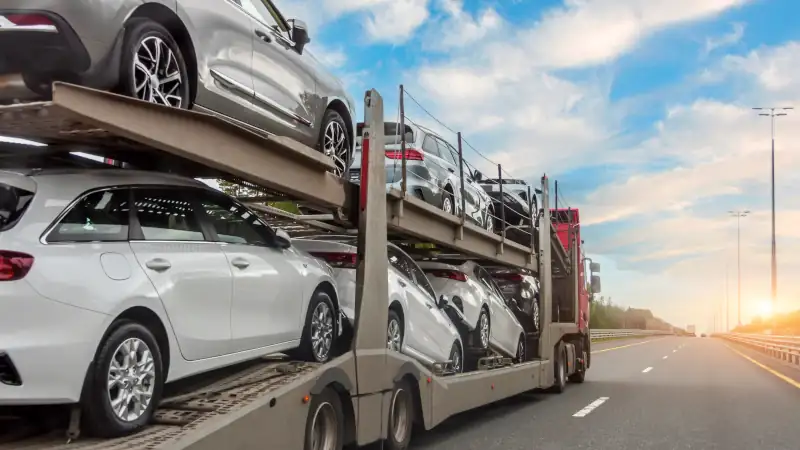
Unless someone else (an employer, for example) is paying for the import duties or you already have your residency papers and have owned the vehicle for at least three years — and have three years worth of registration papers to prove it — the hassle and expense of moving a car to the Dominican Republic is simply not worth it.
Used automobiles are readily available and inexpensive, And, new ones are also readily available, but not cheap.
When bringing a car, an SUV is strongly advisable. It will give you access to out-of-the-way places that might be on your sightseeing to-do list. And, it will be useful even during regular use.
Streets flood frequently during the rainy season. And, even in urban areas, potholes can be canyon-like and do serious damage to low-riding vehicles. SUVs also have a much higher resale value.
Import duties are determined by the suggested retail price of the car abroad and maintained in a central database in Aduanas that allows little room for maneuver.
Apart from a few pesos here and there to speed up the process, there is very little corruption involved.The taxes are what they are. It is best to check with customs prior to bringing in the vehicle to reduce the possibility of an unpleasant surprise.
Duties on cars imported by new residents are reduced on a sliding scale that ranges from 20% for cars owned at least one year to 60% on cars owned for five years.
[wbcr_snippet id=”191367″]
Moving Pets to the Dominican Republic

The Dominican Republic does not require that pets be microchipped before they are imported, but it is strongly advisable in case the animal is lost and needs to be identified.
Cats and dogs require a health certificate issued within 15 days prior to arrival by a competent veterinarian in the country of origin stating that animals are in good health and coming from an area free from serious diseases.They must be vaccinated against rabies and parvovirus within a period of more than one month and less than one year prior to arrival.Click here for currency conversion at today’s exchange rate.
[wbcr_snippet id=”175851″]