


Level Of Infrastructure In The Philippines
The areas of infrastructural investment in the Philippines are unevenly distributed across industries. While the country boasts sophisticated communications infrastructure, modern transportation is severely lacking.The historically poor infrastructure has been the biggest drawback of the Philippines for business people and investors over the past decades. Of the ASEAN-6 countries, the Philippines’ infrastructure ranks behind that of Singapore, Malaysia, Thailand and is about on par with that of Indonesia and Vietnam.
[wbcr_snippet id=”191377″]
With a high concentration of cell phone users, the cellular industry is booming in the Philippines.In some respects, the industry is more advanced and integrated here than even in the United States, with over five million people using their cell phones as digital wallets and using cellular networks for all of their financial transactions.On the other hand, the country underinvests in its physical infrastructure year after year, consistently spending under 3% of annual GDP on it.
[wbcr_snippet id=”175851″]
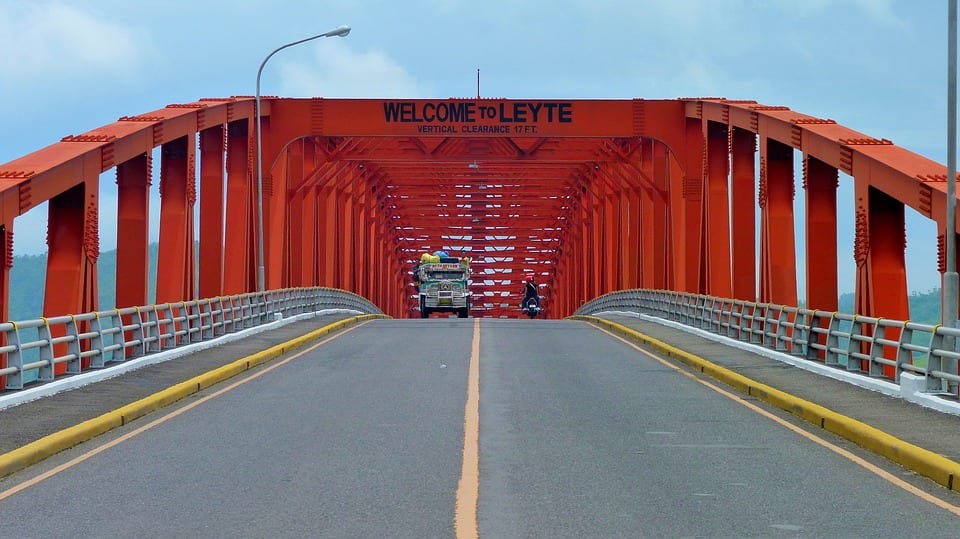
The geographic nature of the country (mountainous islands) makes uniform improvements difficult and, as a result, the state of roadways varies from island to island (and even within the same island).Buses, “jeepneys,” taxis, and electric scooters or tricycles are the most common forms of public transportation in a given city in the Philippines.Because of the island nature of the country, air and sea transport are important aspects of national infrastructure and generally are better-developed than land transport in the country.
[wbcr_snippet id=”175851″]