


The Diverse Climate In Chile
Chile is home to a Mediterranean climate. Key Takeaways: Climate In Chile in 2026 Climates range from the arid Atacama Desert to the wet, cold south. Central Chile enjoys a balmy, Mediterranean climate year-round. Summer offers warm sunny days and cool nights, ideal for escaping northern winters. Chile stretches across 38 degrees of latitude with climates ranging from desert to ice cap, making generalizations here impossible. Climates of Chile include Mediterranean, Alpine, tundra, desert, temperate, sub-tropical, and semi-arid. Chile has a regional climate to suit any taste…
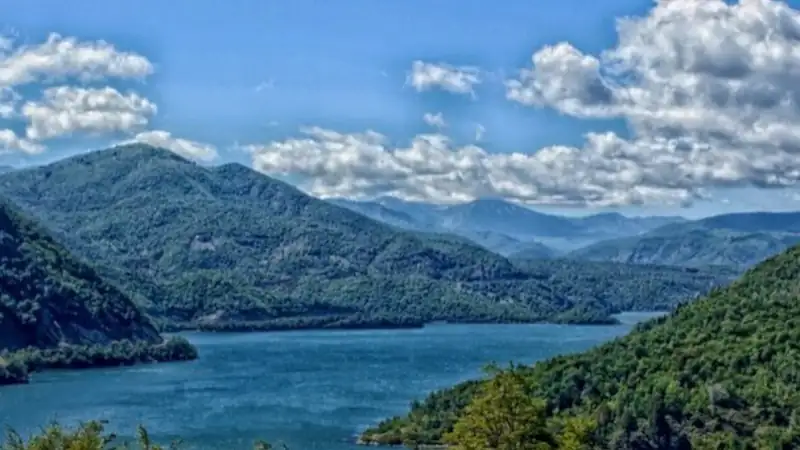
The Atacama Desert is the driest place on earth; Easter Island and Central Chile are balmy and comfortably warm year round; Zona Sur and northern Zona Austral are wet, windy, and cold year round; southern Zona Austral is the coldest part of South America and is known for its seasonal stability, it rains and snows quite a bit here, but average temperatures rarely drop below freezing.
Reviewed By Lief Simon
Lief Simon is the managing editor of Global Property Advisor, Simon Letter, and Offshore Living Letter. He has purchased more than 45 properties, investing in 23 different countries around the world.
Author Page Mailbag The Simon Letter “️— Start Your New Overseas Life Today A world full of fun, adventure, and profit awaits! Sign up for our free daily e-letter, Overseas Opportunity Letter , and we’ll send you a FREE report on the 12 Best Places To Retire Overseas In 2026
We Value Your Privacy! We will not share your email address with anyone else, period.
Table of Contents
Most regions of Chile do experience seasonal variation. Summer weather in most regions of Chile is generally great, with warm sunny days and cool nights, making this a good place to ride out the North American winter. And, if you’re looking for a retirement locale with four seasons , this is one of your best options.
Chile lies on the Ring of Fire, an area that is prone to earthquakes and volcanic eruptions. The horseshoe-shaped Ring of Fire runs up the Pacific coasts of North and South America, across the Bering Strait, and down the coast of Asia into the Pacific basin. Check the currency conversion at today’s exchange rate . Nearly all the world’s major earthquakes occur in this area. Most of the world’s active and dormant volcanoes are also here. The strongest earthquake in history struck in Valdivia, Chile in 1960. The largest quakes in Chile since 1900 (which is as far back as accurate measurements go) have all occurred in southern Chile. There is at least one earthquake per year In Chile, on average. The last destructive tsunami was in 2010 and the last time an earthquake disrupted services was 2007. Anyone considering Chile, keep in mind that earthquakes are a fact of life here, just as they are in San Francisco, Los Angeles, Alaska, or anyplace else on the Ring of Fire. And Chile’s construction standards offer you as much protection against quakes as you’re likely to find anywhere in the world. As in any country weather depends on your region, perhaps more so in Chile than anywhere—and it pays to keep an eye on the forecast.
Breakdown of Seasons in Chile
| Adobestock/Noradoa | Information Type | Notes |
|---|---|---|
| Chilean Summer | December to February | |
| Chilean Fall | March to May | |
| Chilean Winter | June to August | |
| Chilean Spring | September to November |

Start Your New Life Overseas Today! Sign up for our free daily e-letter, Overseas Opportunity Letter, and we’ll send you a FREE report on the 12 Best Places To Retire Overseas In 2026 . We Value Your Privacy! We will not share your email address with anyone else, period.