


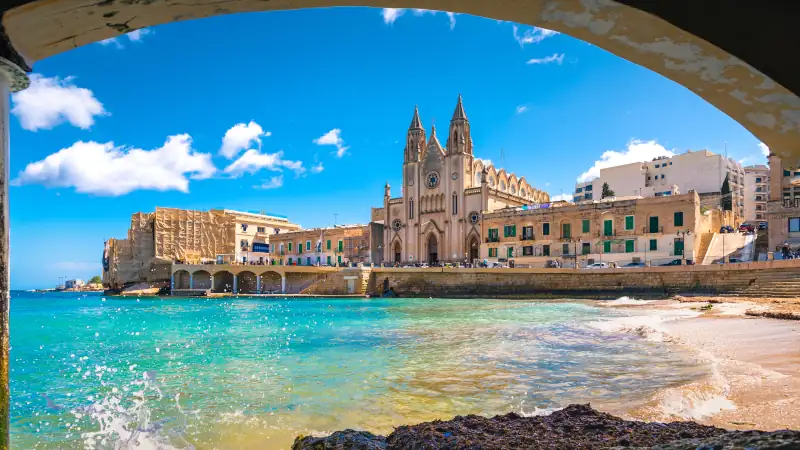
Malta: Experience Authentic Mediterranean Life In An English-Speaking Paradise Adobestock/gatsi Malta is becoming both an investment and retirement hot spot—and it’s easy to see why. Taking up just 316 square kilometers in the southern Mediterranean, the Maltese archipelago (consisting of three main islands) is one of Europe’s smallest countries.While Malta may be small, it has a lot to offer. Its rugged coastline boasts dramatic cliffs and tiny coves, dotted with ancient forts and quaint fishing harbors.Inland, stone walls separate fields cut into strips of olives, wheat, and potatoes. Wine production is popular, and vines hang heavy with grapes all over the island. From its weather and food to its history and culture, Malta is quintessential Mediterranean Europe.
[wbcr_snippet id=”175851″]
[wbcr_snippet id=”191377″]
Living In Malta
If you’re a fan of the sunshine but still like the idea of living somewhere with seasons, Malta has one of the best climates you’ll find. The islands enjoy low humidity, with around 12 hours of sunshine in summer, going down to five or six hours in midwinter. The Mediterranean Sea dictates Malta’s weather system, so you can expect a climate on par with what you would find in Italy and southern Spain. For instance, you see wind and quite a bit of rain in winter, but, come summer, you can bank on waking up to the sunshine every morning. Along with Maltese, English is an official language of Malta and is widely and fluently spoken. The level of English fluency among the population is remarkable. Not only is it used in casual conversation— but business, banking, and legal affairs are also conducted through English. This makes Malta an ideal location if you aren’t interested in learning a new language. It is the only place to experience the famed Mediterranean way of life among locals who all speak perfect English. With its position as a key trading and transport point in the Mediterranean, its popularity as a tourism hub, and its military and colonial history, the Maltese are used to having a large expat population. They are welcoming people, and with no language barrier, it’s easy to slip into life here.
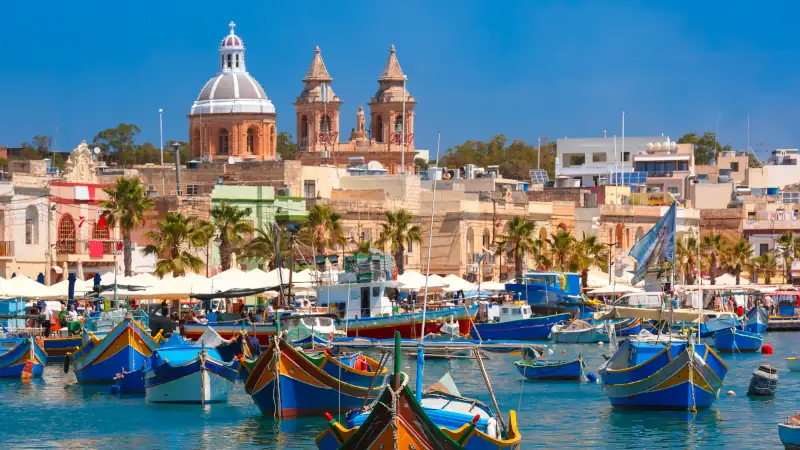
Because Malta ticks so many boxes—with its beautiful natural landscape, fantastic climate, high level of English spoken, large expat communities, and friendly locals—it is a country with broad appeal. With so much going for it, Malta demands a place on your overseas shortlist.
Cost Of Living In Malta
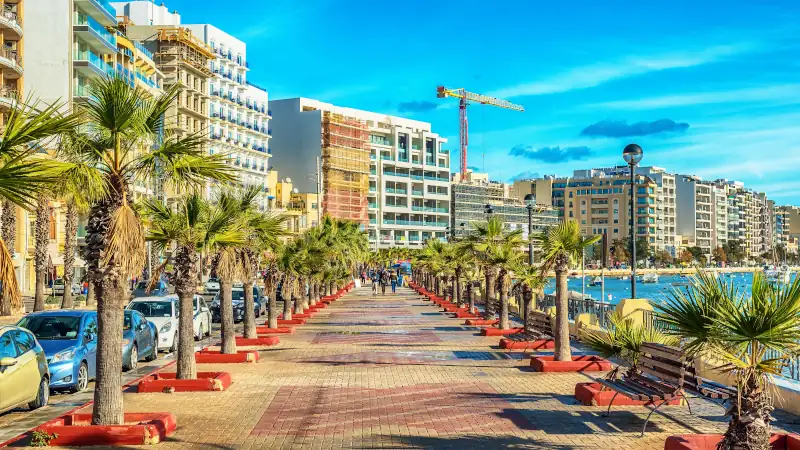
Due to a boost in tourism and expats relocating to Malta in recent years, the cost of living has increased. Depending on where you locate yourself and your lifestyle choice, your cost of living can be cheaper or more expensive than in the United States and other European countries.Rent in trendy locations, popular amongst expats, can be the same or even more expensive than in some areas of the States. Move to a more rural setting, and rental rates will drop significantly. Rental properties almost always come fully furnished, cutting out a potential expense when relocating here.Eating out in Malta can be cheap, and the food is delicious. Make sure to stay away from tourist areas, as restaurants here are pricier. When it comes to groceries, avoid imported products. Eat like the Maltese, and enjoy fresh, locally grown produce for a fraction of the cost of imported goods.Malta is a cheap place to live, certainly by comparison with many other Western European nations. Eating out, groceries, entertainment, and real estate all come in considerably cheaper than many other EU member states. Plus, the cost of living in Malta monthly is about 20% lower than in the US.
Monthly Budget For Living In Malta
| Expense | Monthly Costs | Notes |
|---|---|---|
| Rent | US$1,000 | |
| Transportation (bus, taxi, etc.) | US$50 | |
| Gas | – | |
| Electricity | US$120 | |
| Water | US$15 | |
| Cell Phone, Internet, Cable TV | US$90 | Bundled |
| Entertainment | US250$ | |
| Groceries | US$500 | |
| Medical Appointments | US$350 | For two people |
| Household Help | US$140 | Two visits per month |
| TOTAL | US$2,515 |
Health Care In Malta
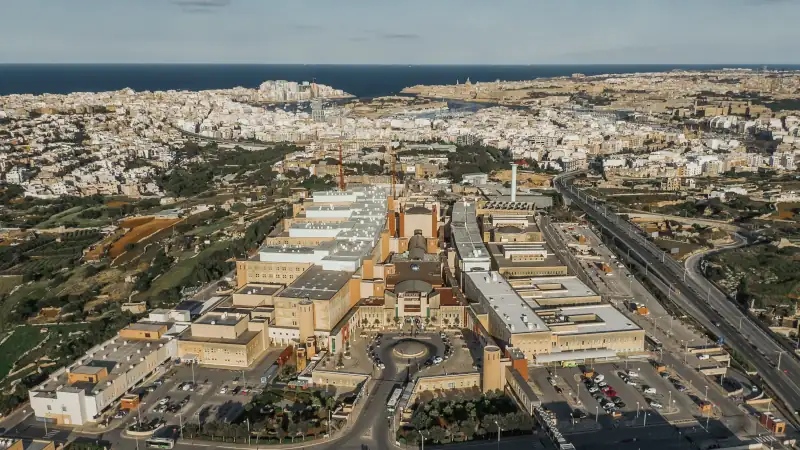
According to the World Health Organization, Malta’s standard of medical care is excellent, ranking amongst the best in the world. Malta is home to several state-of-the-art public and private facilities, staffed by highly trained personnel fluent in English. In recent years, Malta has been building its reputation as a destination for medical tourism.For Maltese and EU citizens, health care services are free. Malta’s free national health system runs alongside the private sector, which has an even higher standard of service than the public system. As a foreign resident, you are required to have private medical insurance, which usually comes as a residency requirement for foreigners. Still, expect to pay considerably less than in the United States for your health care.
Getting To Malta
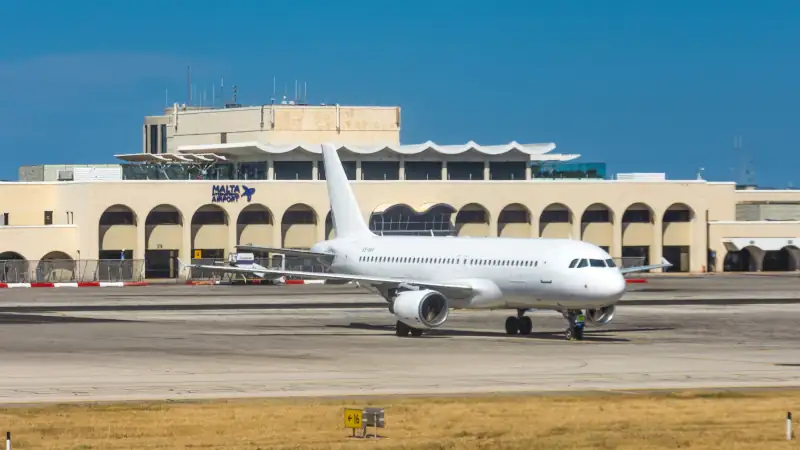
Although there are no direct flights from the United States to Malta, traveling between the two countries is relatively straightforward.Fly to Europe with a transatlantic carrier, such as Lufthansa, British Airways, Virgin Atlantic, or U.S. Airways, then connect to the island. The national airline, Air Malta, serves a number of major airports around the continent. You can also connect from multiple European cities to Malta with low-cost airlines Ryanair, Easyjet, or Wizzair.Once you touch down, you can expect to find a modern, well-organized facility in Malta’s international airport. Although Malta is a small country, it gets a lot of air traffic, and the airport is well accustomed to catering to it.
Best Places To Live In Malta
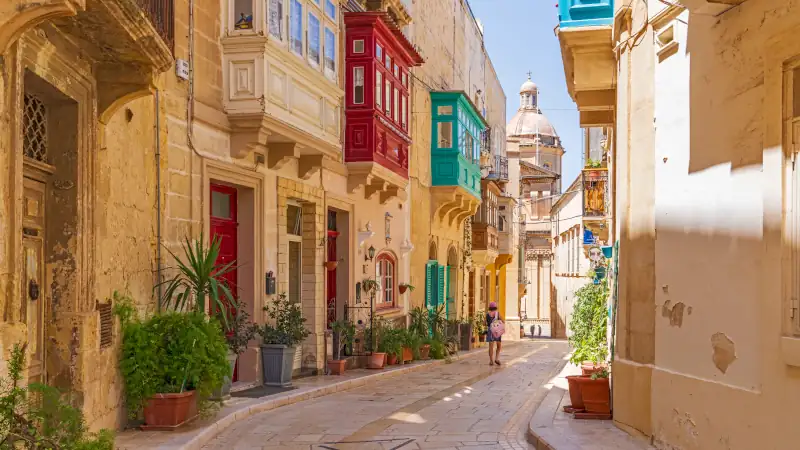
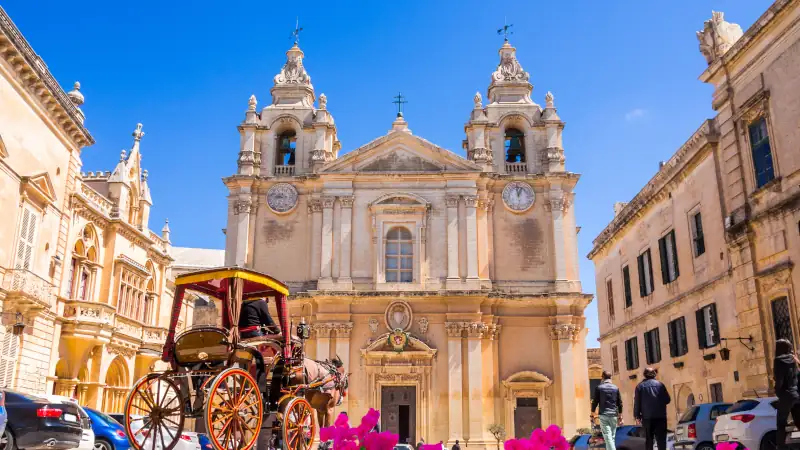
Malta’s capital, Valletta, boasts a rich history with historical treasures on the corner of every winding cobblestoned street. Yet, this quaint city is also a modern European capital with great shopping by day and entertainment at night. The city took to the world stage as the European Capital of Culture in 2018, before which, the city enjoyed a makeover, with many of its beautiful old buildings being restored and revamped. If you like having everything on your doorstep, a lot to see and do, then Valletta is for you. Gozo Gozo, the country’s second-largest island, is rural by nature. It’s just a 25-minute crossing from the main island, but, when you step off onto Gozo, it feels far more isolated.Gozo is home to charming small towns hidden among rolling farmland, which swings between green and lush in winter and parched in summer.Gozo is the Mediterranean of old. A way of life long lost to most coastal regions in Southern Europe. The pace of life here is slower, and it’s a quiet location.It’s easy to see why this has long been a retirement destination for Maltese seniors. These days, retirees from further afield are beginning to set up home here. If you like the idea of a rural lifestyle where you can get away from it all on a relatively low budget, then Gozo could be for you.
Is Malta A Safe Country?
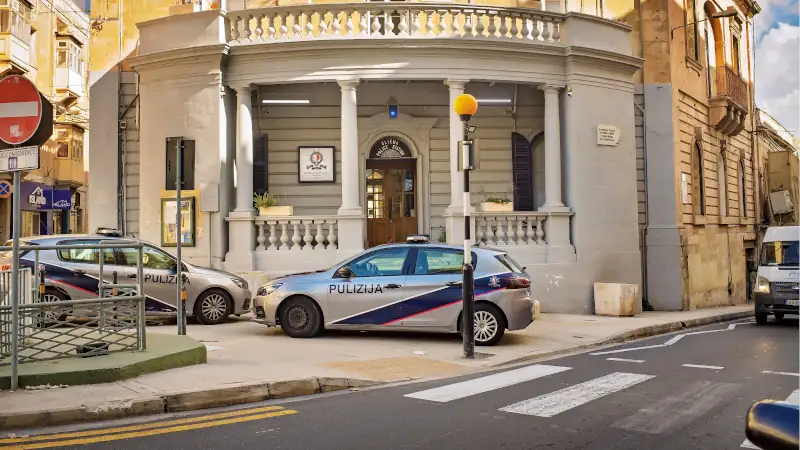
A string of small islands in the southern Mediterranean makes up Malta. One of the tiniest countries in Europe, it also has the tiniest capital: Valletta covers less than a square kilometer… but what Superbissima(Latin for “Most Proud”) lacks in size, it makes up for in lifestyle…Valletta is full of buildings that give evidence to Malta’s colorful history. The country is home to some of the oldest human artefacts in the world, some of which predate the Egyptian pyramids and Stonehenge.It’s been occupied by various groups throughout its existence, from the Phoenicians to the Byzantines, the Ottomans to the Knights of Templar… all have left their mark on the place.With its position as a key trading and transport point in the Mediterranean, its popularity as a tourism hub, and its military and colonial history, the Maltese are used to having a large expat population. They are a welcoming people, and, with no language barrier, it’s easy to slip into life here.There are several expat groups that can help you find your place and get active in the community. Living in Valletta, or any area of the country, you’d be able to find and make friends easily—be them British, Hungarian, Italian, Maltese, or several other nationalities.Valletta has an extremely low crime rate… You’re unlikely to fall victim to even petty crime here or anywhere else in Malta. At worst, the occasional taxi driver will attempt to overcharge you, but even this is highly unusual.The only real danger here comes from other foreigners. During the summer, Malta hosts thousands of packaged-holiday tourists, mostly from Britain. Some are well-behaved, but many of the 20-somethings that converge on Paceville (a neighborhood of St. Julian’s) get rowdy after too much drinking. However, by steering clear of the area after dark, you won’t even know they are there.There are usually no natural disasters happening in Malta, but the island has a natural rock structure and large portions of land is covered in tarmac and cement. This makes for heavy flooding even with short rains, which causes chaos and traffic jams. The Bottom Line Crime exists everywhere, but Malta is an unbeatable destination to retire because of their low cost of living, existing expat population, active real estate market that is favorable for foreign investment… and extremely low crime rates.
[wbcr_snippet id=”175851″]
Interactive Map Of Malta
Click on any highlighted city or region to explore in-depth guides on what life is like there—from cost of living and climate to culture and real estate opportunities. Each location featured is one we’ve carefully reviewed and consider among the most livable and investment-friendly spots in Malta. Use this map as your starting point for discovering where in Malta your ideal lifestyle awaits.

Where Is Malta Located?
Malta is a group of tiny islands in the middle of the Mediterranean Sea, closer to Europe than to Africa. It’s a Mediterranean beach paradise with a lot to offer visitors in spite of its small size.
Malta is divided into five regions: Central Region – This area is in the central part of the main island and has 13 local councils; Attard, Balzan, Birkirkara, Gżira, Iklin, Lija, Msida, Pietà, St. Julian’s, San Ġwann, Santa Venera, Sliema, and Ta Xbiex. Northern Region – This region is the northwestern part of the main island. It includes 12 local councils; Dingli, Għargħur, Mdina, Mellieħa, Mġarr, Mosta, Mtarfa, Naxxar, Pembroke, Rabat, St. Paul’s Bay, and Swieqi. Southeastern Region – as the name implies it is the southeastern part of the main island. This region consists of 15 local councils; Birgu (Città Vittoriosa), Bormla (Città Cospicua), Fgura, Floriana, Kalkara, Marsa, Marsaskala, Marsaxlokk, Paola, Senglea (Città Invicta), Tarxien, Valletta (Città Umilissima), Xgħajra, Żabbar (Città Hompesch), and Żejtun (Città Beland). Southern Region – The southern part of the main island. It includes 14 local councils; Birżebbuġa, Għaxaq, Gudja, Hamrun, Kirkop, Luqa, Mqabba, Qormi (Città Pinto), Qrendi, Safi, Santa Luċija, Siġġiewi (Città Ferdinand), Żebbuġ (Città Rohan), and Żurrieq.

Notable Locations In Malta
The Mellieħa council of the Northern Region has a location called Anchor Bay which is also known as Popeye Village, this cute village was originally built in the 1980’s as the set for Walt Disney’s production of Popeye starring the late Robin Williams and Shelley Duvall.For those looking for an enjoyable nightlife scene, the resort town of St. Julians is a wonderful location to sunbathe in the day and enjoy dancing, dining and fine wine at night.The natural beauty of the world-famous Azure Window in Gozo island is not to be missed.Valletta is the capital of Malta and offers amazing architecture at every turn.

Is Malta Worth Spending Time In?
It’s the Mediterranean: You’re just 50 miles south of Italy. The sea is visible from almost everywhere—turquoise blue and shimmering. The food is some of the best the Med has to offer.Three thousand sunshine hours per year: It’s one of the sunniest spots in Europe… a great place to enjoy a long summer.It’s (proper) English-speaking: Not only do the locals speak English (you will hear them speak Maltese to each other but business is often carried on in English), but signs everywhere are in English. (The Brits ruled for over 150 years up until 1964.)Cost of living in Malta is lower than much of Europe: Most goods must be imported to Malta. However, the costs even in tourist areas are well below other European cities. You can get a cappuccino for 1.50 euros… a glass of Chardonnay for 2.95 euros…Not overly touristy: Despite its prime position and its increasing efforts to put itself out there, Malta is still not a major tourist destination.Malta is clean and well serviced: The towns are clean, and Valletta is immaculate. Bins are everywhere.Easy to connect: Overall, Malta is open for business and in the modern world. Expect to find some free Wi-Fi spots along the east coast, and most bars and restaurants have free Wi-Fi for guests.
[wbcr_snippet id=”175851″]