


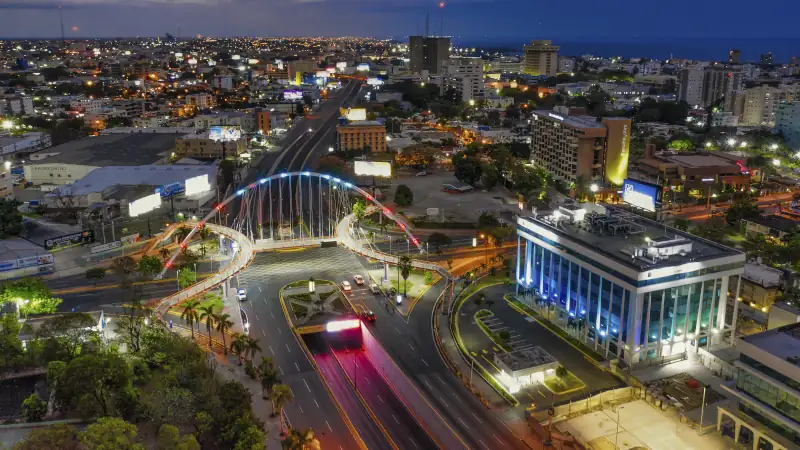
Over the last two decades, the Dominican Republic has stood out as one of the fastest economies in the Americas – with an average real GDP growth rate of 5.4% between 1992 and 2015. GDP continues to hover at 7% a year driven largely by construction, manufacturing and tourism.
[wbcr_snippet id=”191377″]
On the demand side, private consumption has recently been strong, as a result of low inflation (under 1% on average in 2015), job creation, and high remittances from Dominicans living abroad.
On January 2024, the Center for Export and Investment of the Dominican Republic (ProDominicana) announced a record for Dominican exports. The DR exports reached US$847.8 million, the highest-volume January for exports in the history of the country, according to reports from the Dominican Republic government.
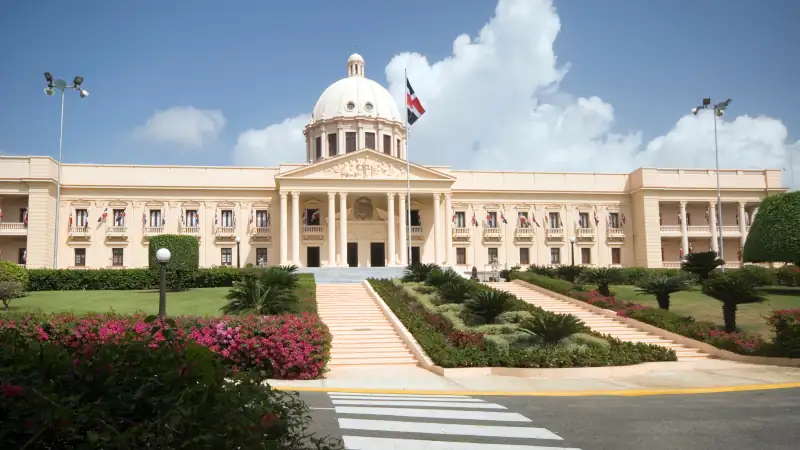
Despite being one of the first European settlements in the Americas, Hispaniola (as the island that encompasses the Dominican Republic and Haiti is known), was largely ignored by the Spanish in early colonial days in favor of gold-rich regions on the mainland.
The introduction of slave labor by the French in the 17th century turned the Haitian side into an agricultural powerhouse but the eastern side of the island languished and a small plantation economy persisted into the 19th century.

Dominican Republic’s Economy In The 21st Century
The early 2000s saw another crisis (this time prompted by major bank fraud) that only began to subside under the second presidency of Leonel Fernandez beginning in 2004.
With help from the IMF, Fernandez managed to turn things around until the Great Recession of 2008. The country rebounded from the global economic crisis quickly, however, and has since been on a sustained upward trajectory.
The economy of the Dominican Republic remains closely integrated with the U.S. economy; more than 50 percent of its exports go to the United States. The CAFTA-DR, a free trade agreement between the Dominican Republic, the United States and several Central American countries, continues to facilitate economic growth and hundreds of millions of dollars are being invested in industrial free zones that offer special business and tax incentives.
| Dominican Republic Economic Statistics | ||
|---|---|---|
| Gross Domestic Product (2024) | 5% | |
| Per capita income (2024) | US$27,120 | |
| Inflation rate (2024) | 4.23% | |
| Natural resources | sugar cane, cocoa, tobacco, ferronickel, gold, silver. | |
| Primary sectors (65% of GDP) | Industry (mining, food products, assembly) | |
| Secondary sectors (32% of GDP) | DOP 300 | |
| Tertiary sectors (3% of GDP) | Agriculture (sugarcane, cocoa, tobacco) | |
| Exports (2023): US$12.94 billion | ferronickel, cigars, plastics, electrical equipment, bananas, jewelry, medical equipment, clothing, scrap metals and beverages | |
| Major trade markets | United States (US$4.5 billion), Canada (US$1.4 billion), Haiti (US$1.42 billion), Switzerland (US$298 million) and China (US$263 million). | |
| Imports (2023) | US$28.71 billion. | |
| Major suppliers | US$17 billion. | |
| Labor force (2023) | 5.53 million | |
| Official exchange rate (July 2024) | 59.18 pesos per US dollar | |
In short, all of this has helped to diversify the Dominican Republic’s economy away from raw resources and toward low-end manufacturing of goods such as textiles, plastics and medical instruments.
[wbcr_snippet id=”175851″]