


Property And Real Estate In Italy
[wbcr_snippet id=”191377″]
Italy’s population has been stagnant since the late 1960s, growing only marginally decade over decade. Due to this, over time, the Italian economy has grown sluggish… as has the property market.
[wbcr_snippet id=”175851″]
On top of this, now there is an increasing surplus of property on the market and no one to occupy it. Italians aren’t being born quickly enough, leaving the market wide open to foreigners.
Italians who consider buying a second home or a vacation property in this area generally look to the coast.
But the romance of old places and rural living has a far greater appeal to foreigners. In general, Italians opt to live in modern apartments in cities or larger towns.
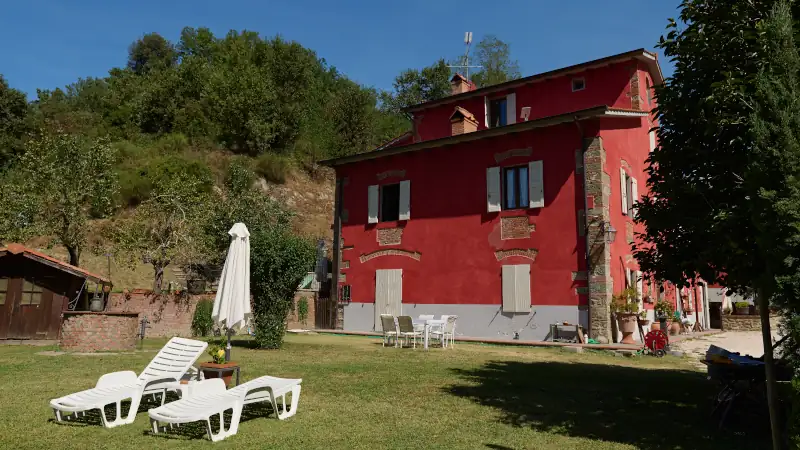
Rural areas are generally the best areas for a real estate buy in Italy. While the cities and coasts attract the working population and tourists, rural areas are becoming increasingly vacant.
Overview Of The Real Estate Market In Italy
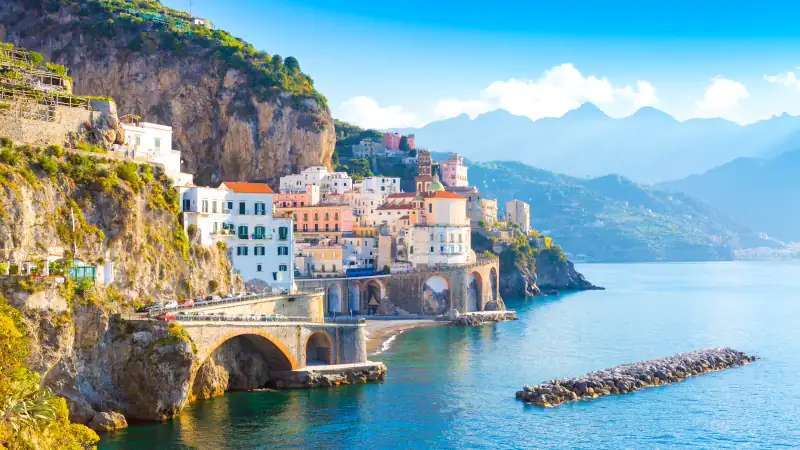
The first aspect of the real estate market in Italy to consider is its incredible diversity. From the mountainous North to rural southern Italy, there is something for every budget and every taste.
Ultra-modern urban apartments, medieval castles and everything in between are available in Italy. There are also major price differences between the country’s wealthy, world-class cities and its less developed regions.
One major consideration is that the Italian market mostly caters to Italian sellers and Italian buyers. Economic and other conditions have led to less foreign interest in Italy than in other European countries.
Today, most foreigners look to Italy to spend on real estate for retirement or a second home, rather than invest in rentals or properties to flip.
Starting in 2024, people from the US, UK, and Canada can buy real estate in Italy.
Why Invest In Real Estate In Italy?
Get Your Free Real Estate Report Today!
Simply enter your email address below and we’ll send you our FREE REPORT – The World’s Cheapest Real Estate Investments In 2025 Revealed
We Value Your Privacy! We will not share your email address with anyone else, period.
Nonetheless, there are many attractive reasons to invest in Italy.
The market there is extremely affordable, and real estate in Italy under 100,000 is available to foreign buyers. There are no restrictions on property ownership by foreigners, and banks are willing to loan to non-Italians.
Aside from popular areas like Tuscany and Lake Como, many less well-known areas of Italy are also proving attractive to expats and investors. Rural Abruzzo, for example, is now inviting attention for its real estate market as well as its famous wines.
Despite high taxes on property and rental incomes, Italy is an attractive option for real estate investment because of the combination of quality and affordability.
Few other developed countries offer so many beautiful and diverse real estate possibilities at such reasonable prices.
The Property Market In Italy Today
As in many countries, the 2008 economic crash had a a major impact on Italy and its real estate and housing markets.
While real estate in Italy cheap is still available, the market has stabilized since 2013 and a long period of decline, and recovery and slow-climbing prices are likely in the near future.
Prices are still lower than in most of the rest of Europe, and there are deals for the taking for bargain-conscious buyers.
For investment buyers, rental returns unfortunately remain low, even in major cities like Italy and Milan. The situation is worse in the suburbs.
Overall, the low yields for rental properties and the difficult tax situation make Italy overall more attractive for full or part-time residence than for profit-minded investment buyers.
Renting Property In Italy
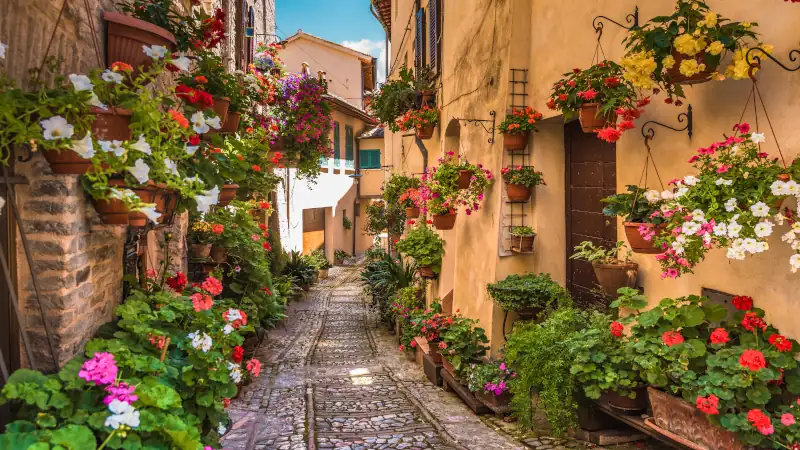
For expats interested in renting property in Italy, the overall economic situation is very attractive. Since rental returns are so low, cheap monthly rents are available in some major cities, with the smaller towns offering prices well below American and European averages.
However, this situation is balanced by the housing supply problems in cities like Rome and Milan, where a lack of units can drive rents up despite the slump in the market.
For short-term stays, furnished apartments are the best arrangement and widely available with many amenities. Rental agreements typically are either a standard four year format or a special type negotiated between landlord and tenant.
There are certain legal controls on the raising of rents, and eviction processes are slow; in general, the situation in Italy is very favorable for tenants.
Classifications of units and rental terms can be quite different than in the United States, so be sure to seek assistance with understanding your lease if you don’t speak Italian.
Buying Property In Italy
Get Your Free Real Estate Report Today!
Simply enter your email address below and we’ll send you our FREE REPORT – The World’s Cheapest Real Estate Investments In 2025 Revealed
We Value Your Privacy! We will not share your email address with anyone else, period.
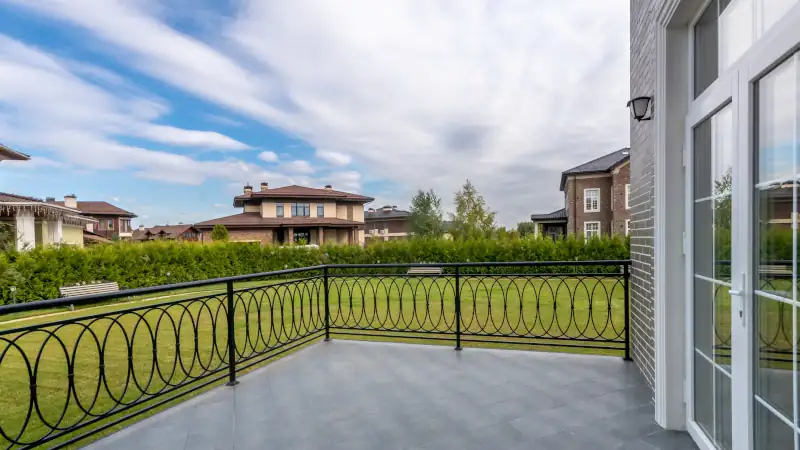
While the market makes things favorable for buyers, there are some hurdles to buying Italy real estate. Foreigners can buy and own on the same terms as Italians, but the tax and registration procedures can be complex. Generally, a licensed notary process fees and submits the appropriate documents.
The buyer is responsible for the majority of these costs.
You should also strongly consider hiring an Italian real estate attorney to help guide you through the process and protect your interests while you negotiate with the seller and deal with legal matters, particularly the timely payment of fees.
These can come to almost 10% of the purchase price, although generally costs of ownership in Italy are low compared to elsewhere.
[wbcr_snippet id=”175851″]